Core-spun. Fibres in combination.
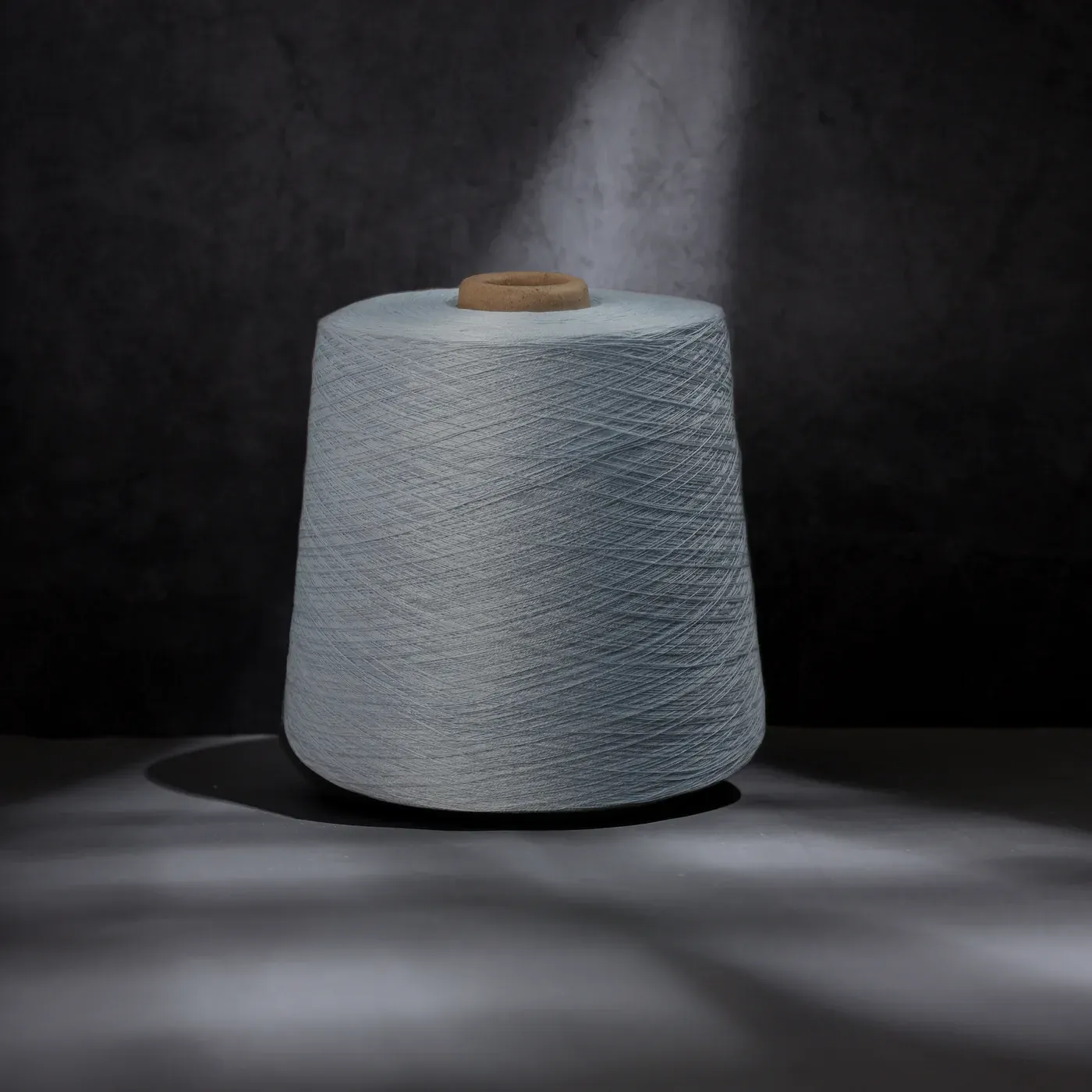
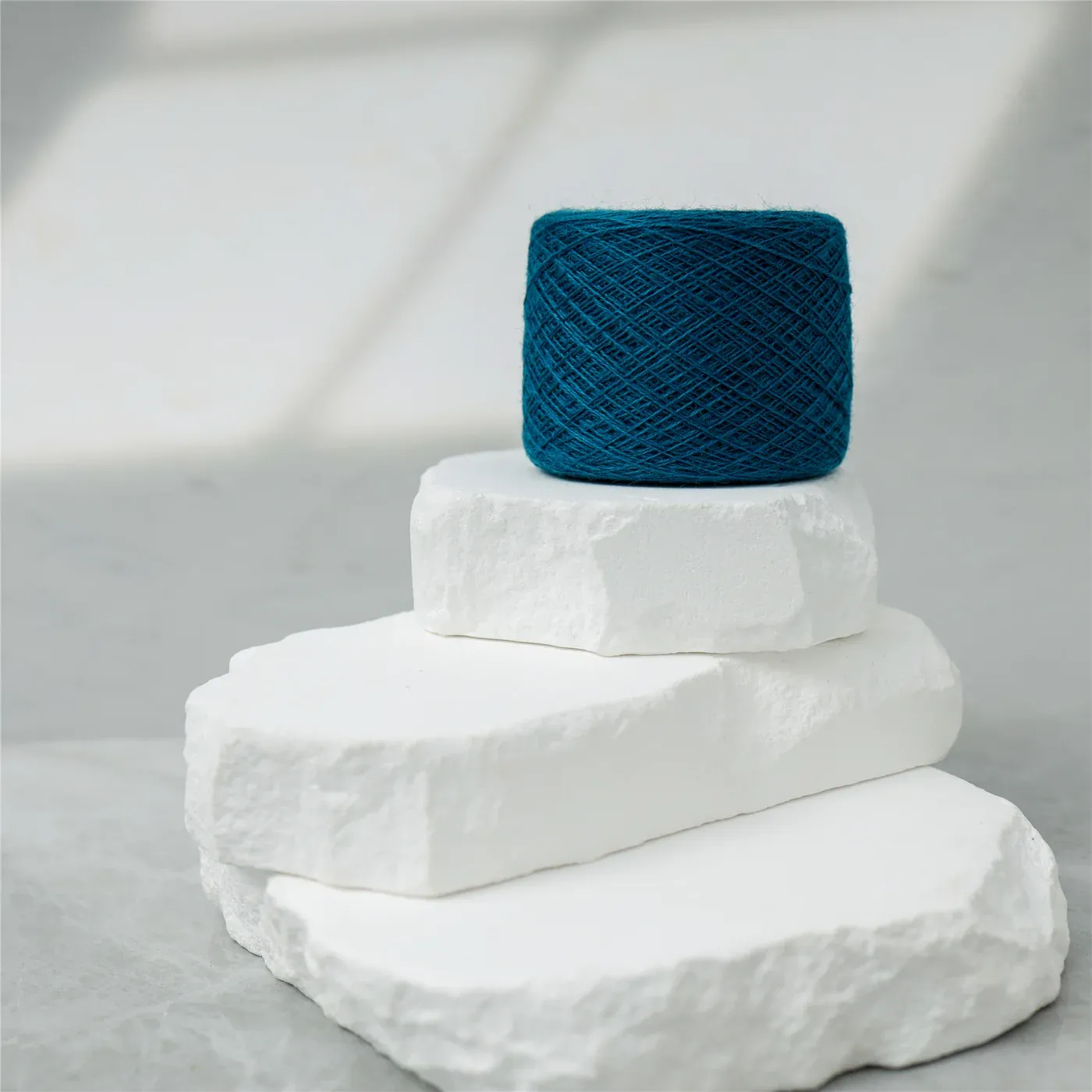
Explore a core-spun blend of viscose, PBT and nylon. Review the composition and count, then discuss samples for the style and handle you have in mind.


XINGLIN TEXTILE / YARN & KNITWEAR
Yarns for knitwear development and production. Connecting material selection, colour and knitted application.
Begin with the fibre and yarn count. Explore real samples to find a direction for your knitwear.

Explore a core-spun blend of viscose, PBT and nylon. Review the composition and count, then discuss samples for the style and handle you have in mind.

This family includes 100% viscose and 100% lyocell yarns. Begin with a clearly stated fibre, then compare count, shade references and your development brief.

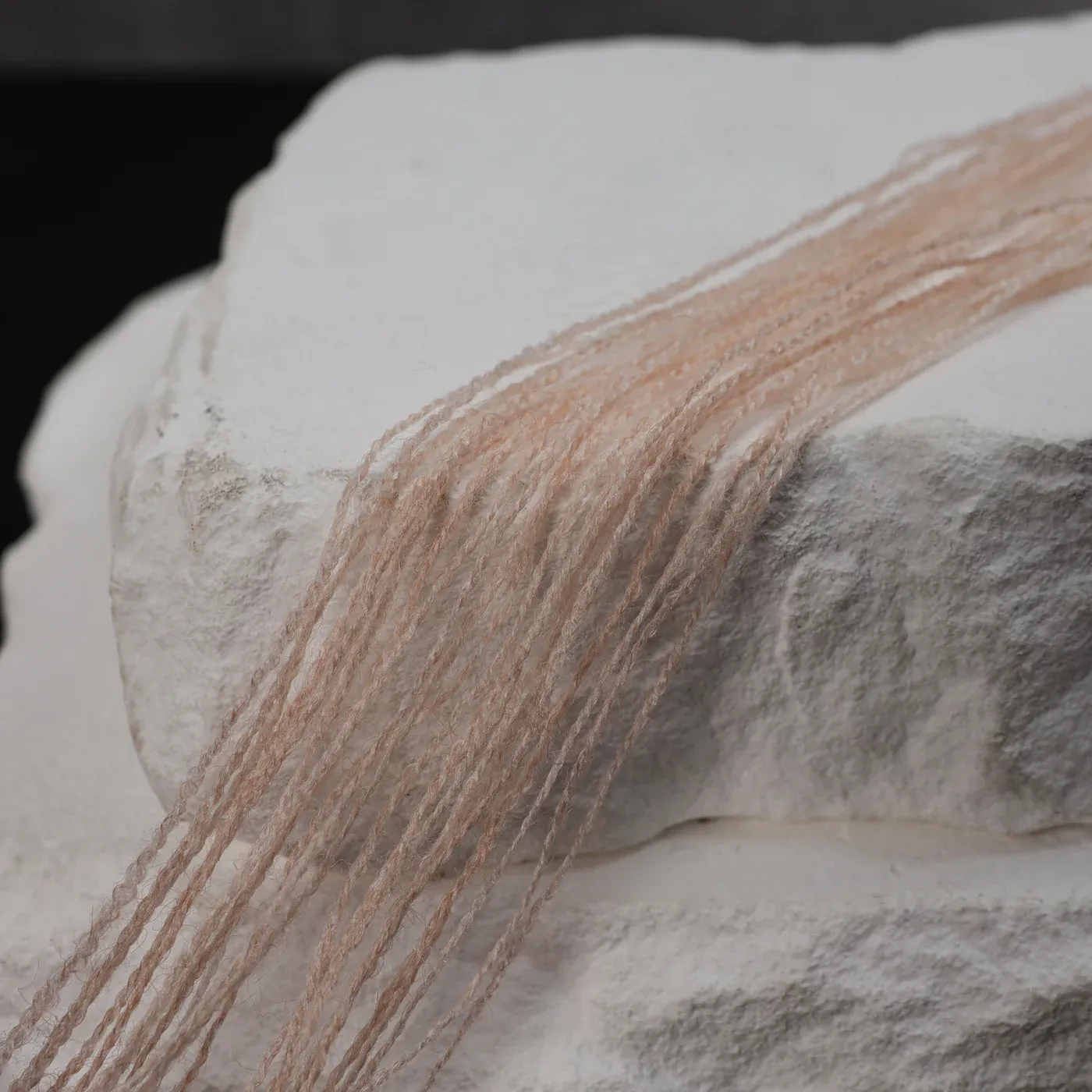
Different fibres come together in a single yarn. Explore the strands of our wool–lyocell blend, and use its composition to start a knitwear development conversation.
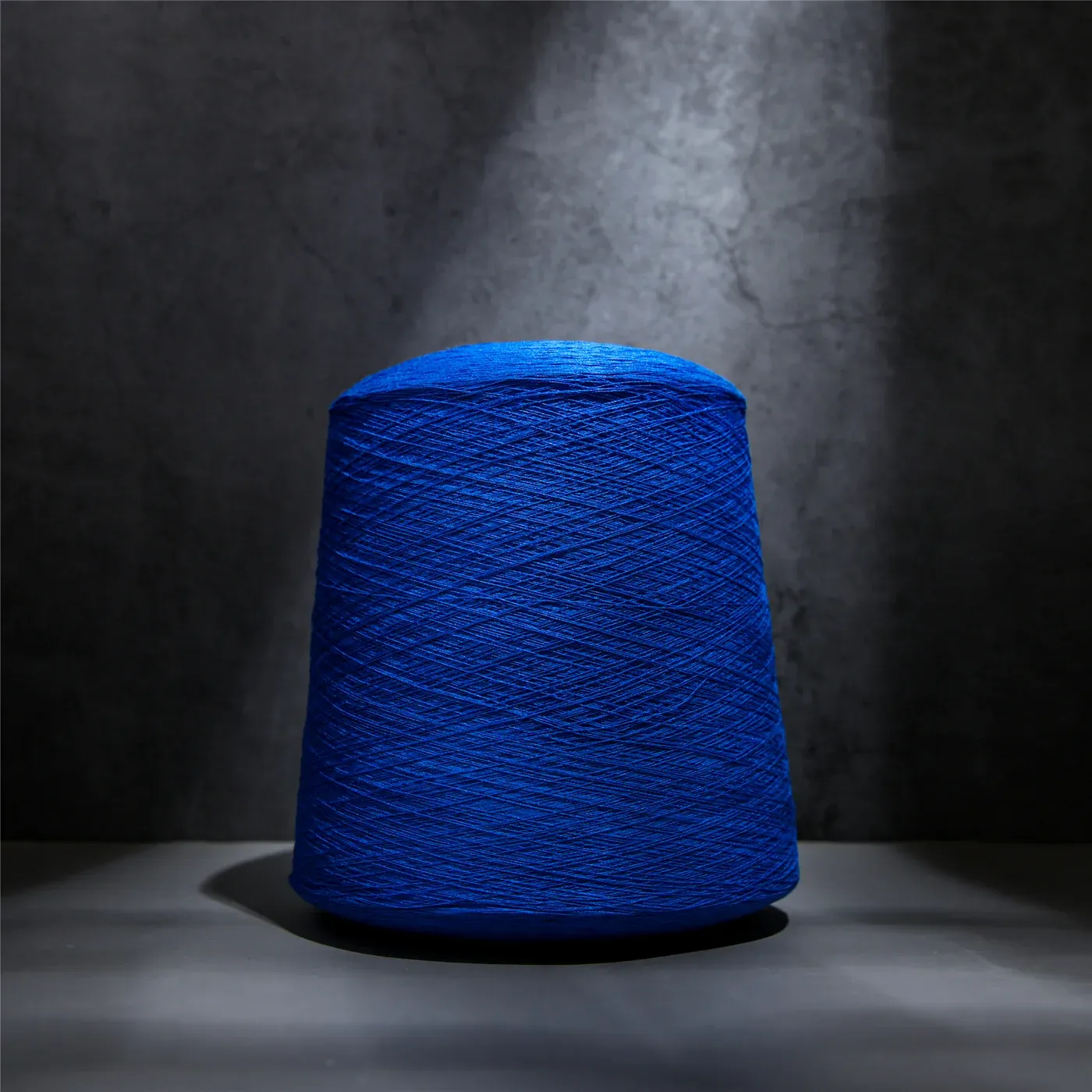
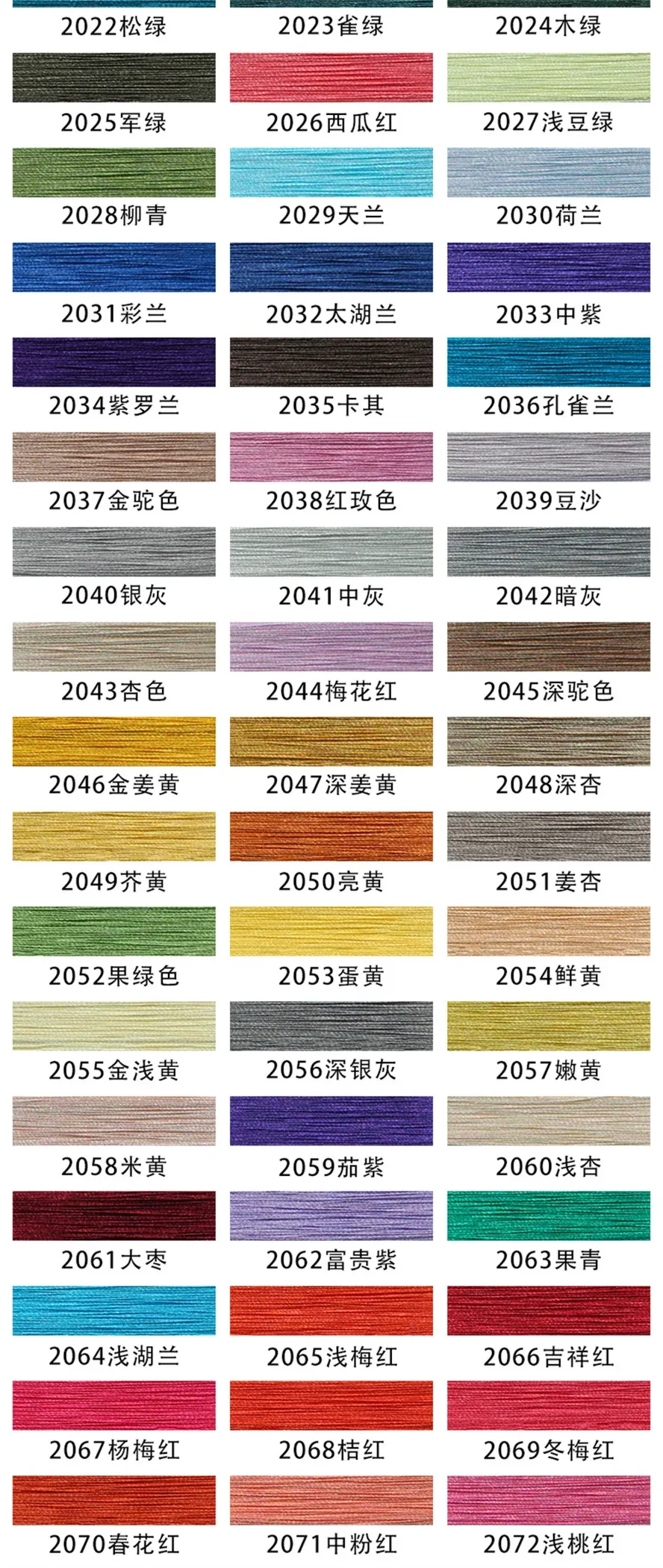
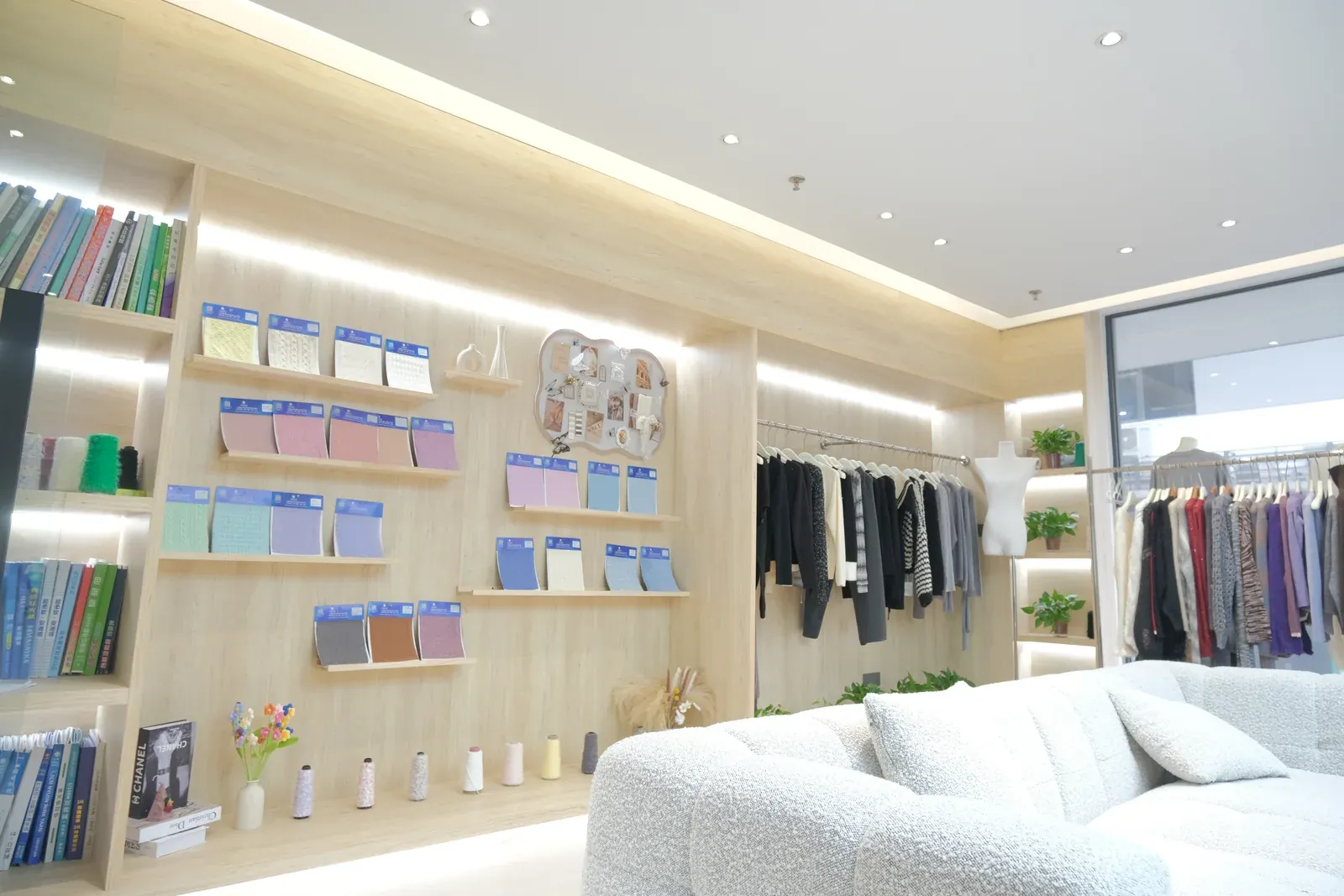
Follow our 16S/1 viscose yarn from a cone photograph to its shade-card reference, then take your initial choices into a physical-sample conversation.
Spinning, hank processing and package dyeing offer three views of yarn production. Explore process records and working footage to see how material, colour and yarn form come together.
Xinglin’s process records include carding, drawing, spinning and automatic winding. These operations turn loose fibres into yarn for subsequent dyeing and knitting.
Hank-processing records cover reeling, hank dyeing, drying and brushing. Yarn on hanging rods makes this form visible; the treatment depends on the material and product requirements.
Package-workshop records include soft winding, package dyeing, rewinding and storage. Yarn carriers and dyeing equipment show how packages are handled through dye preparation and finishing.
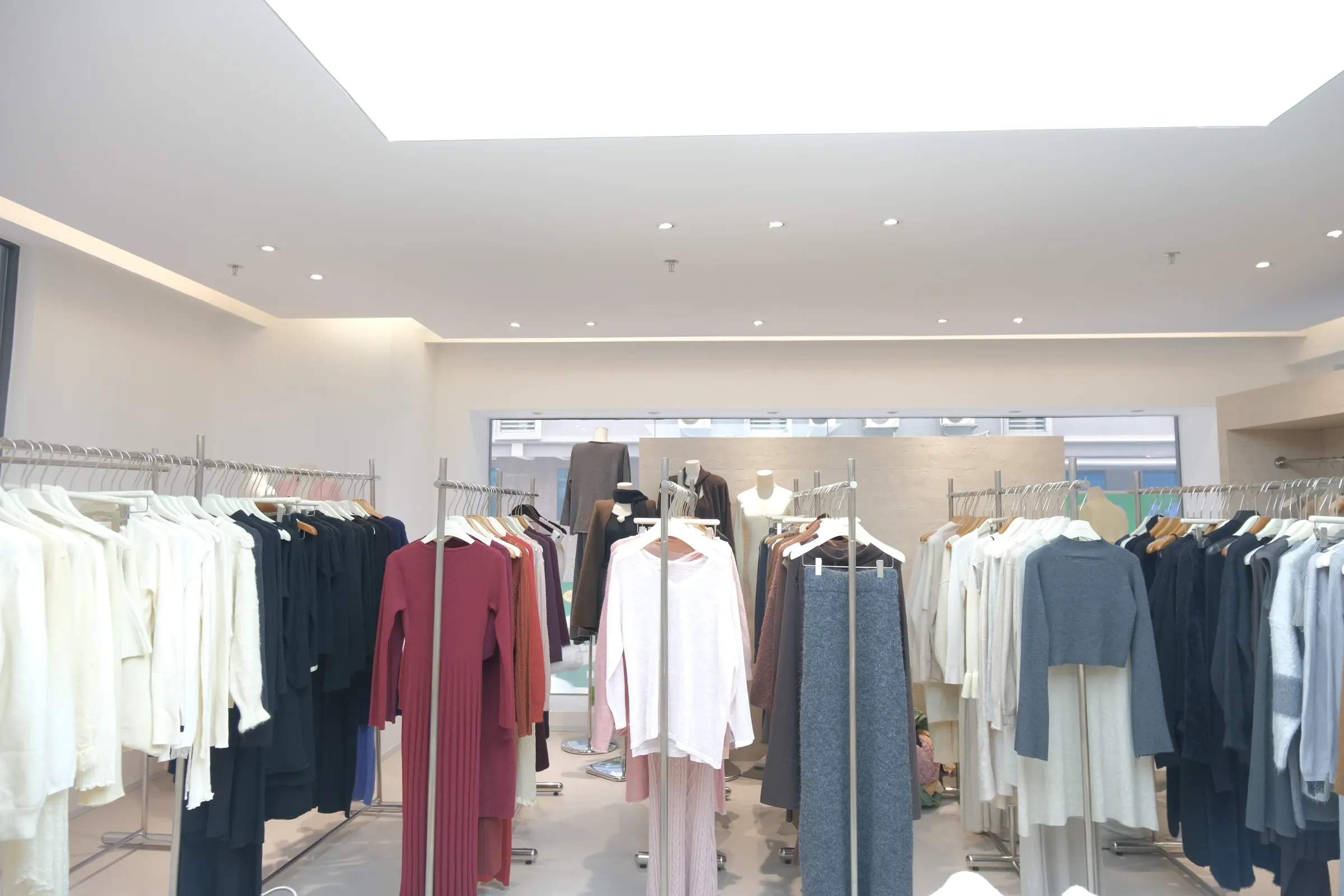
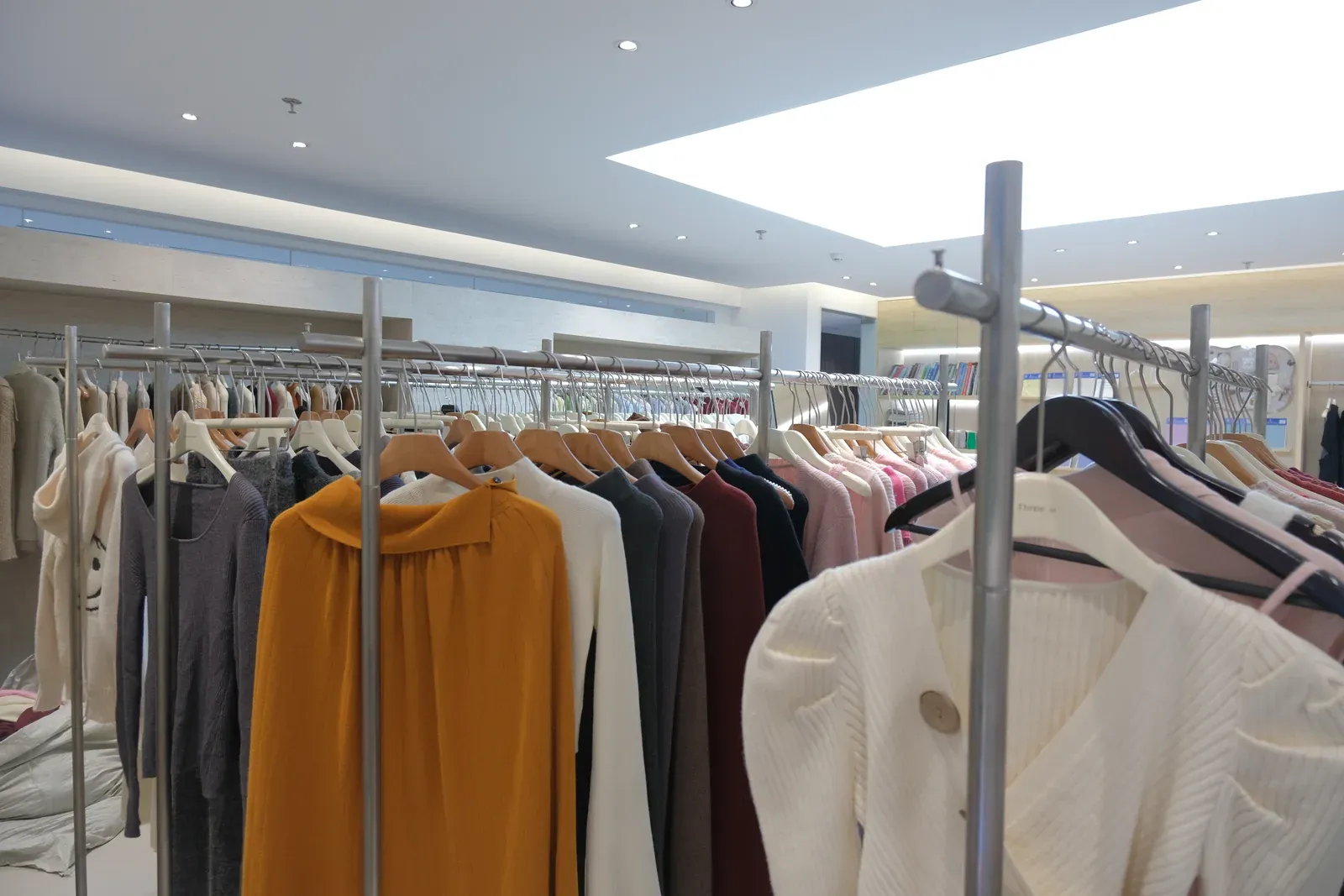
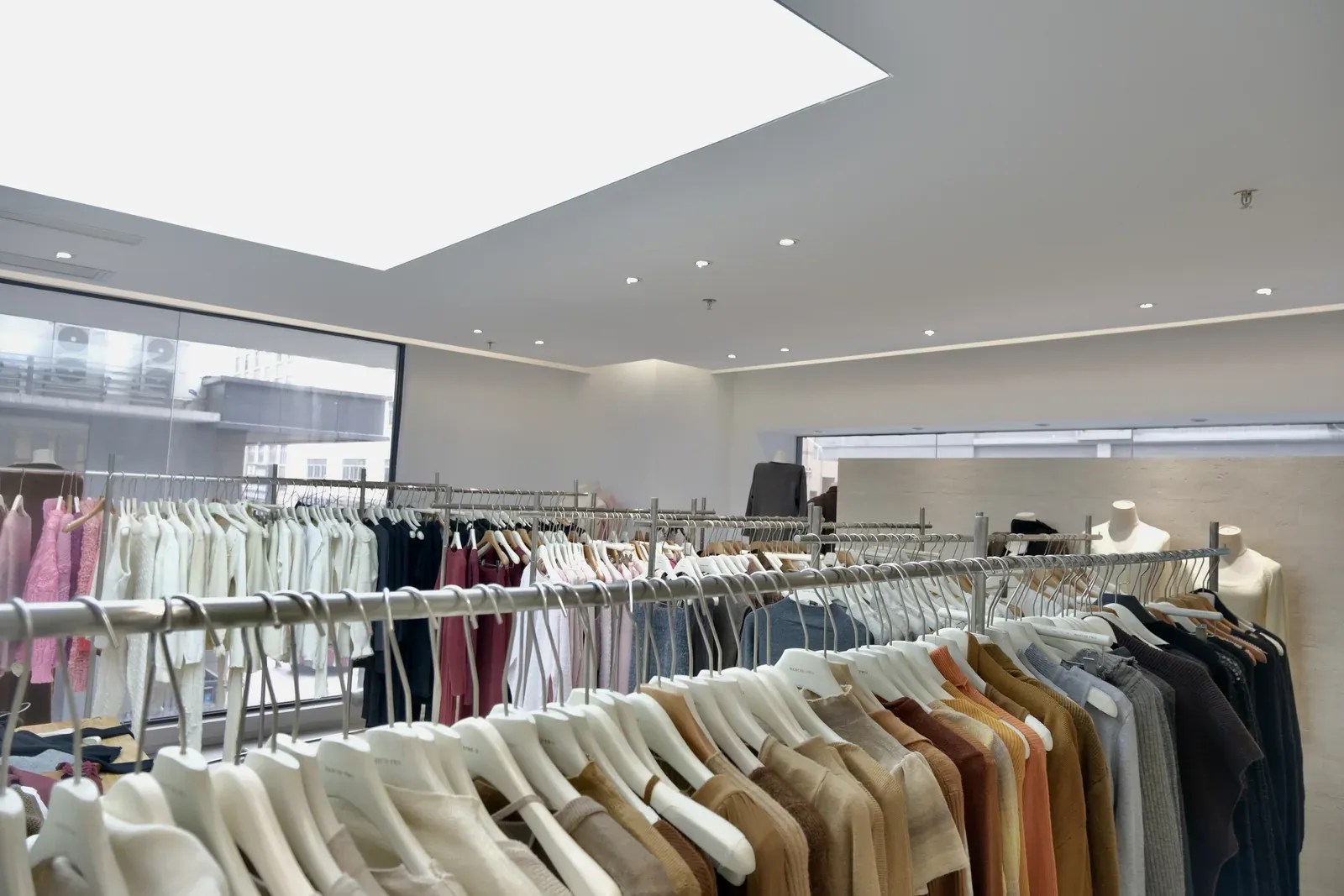
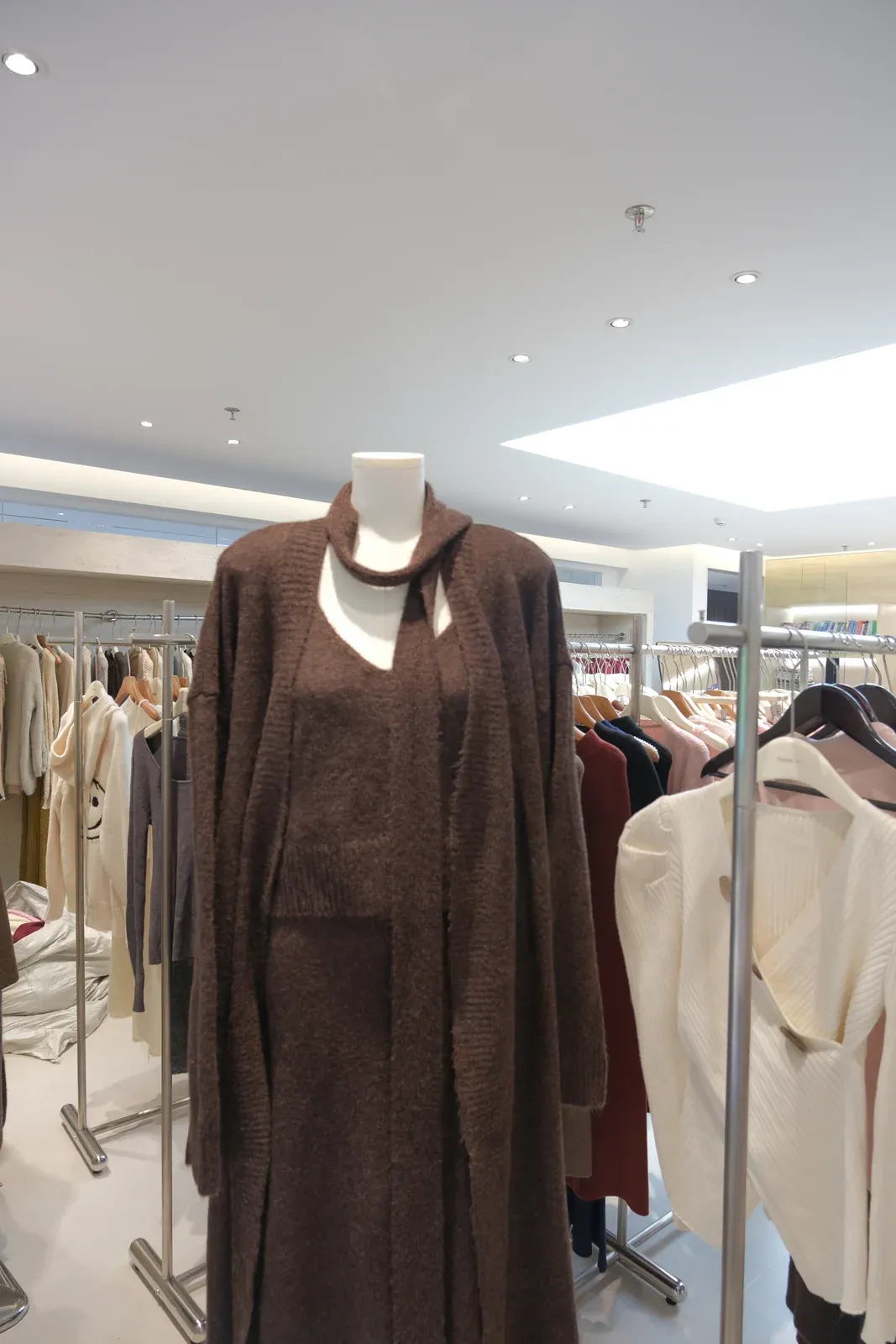
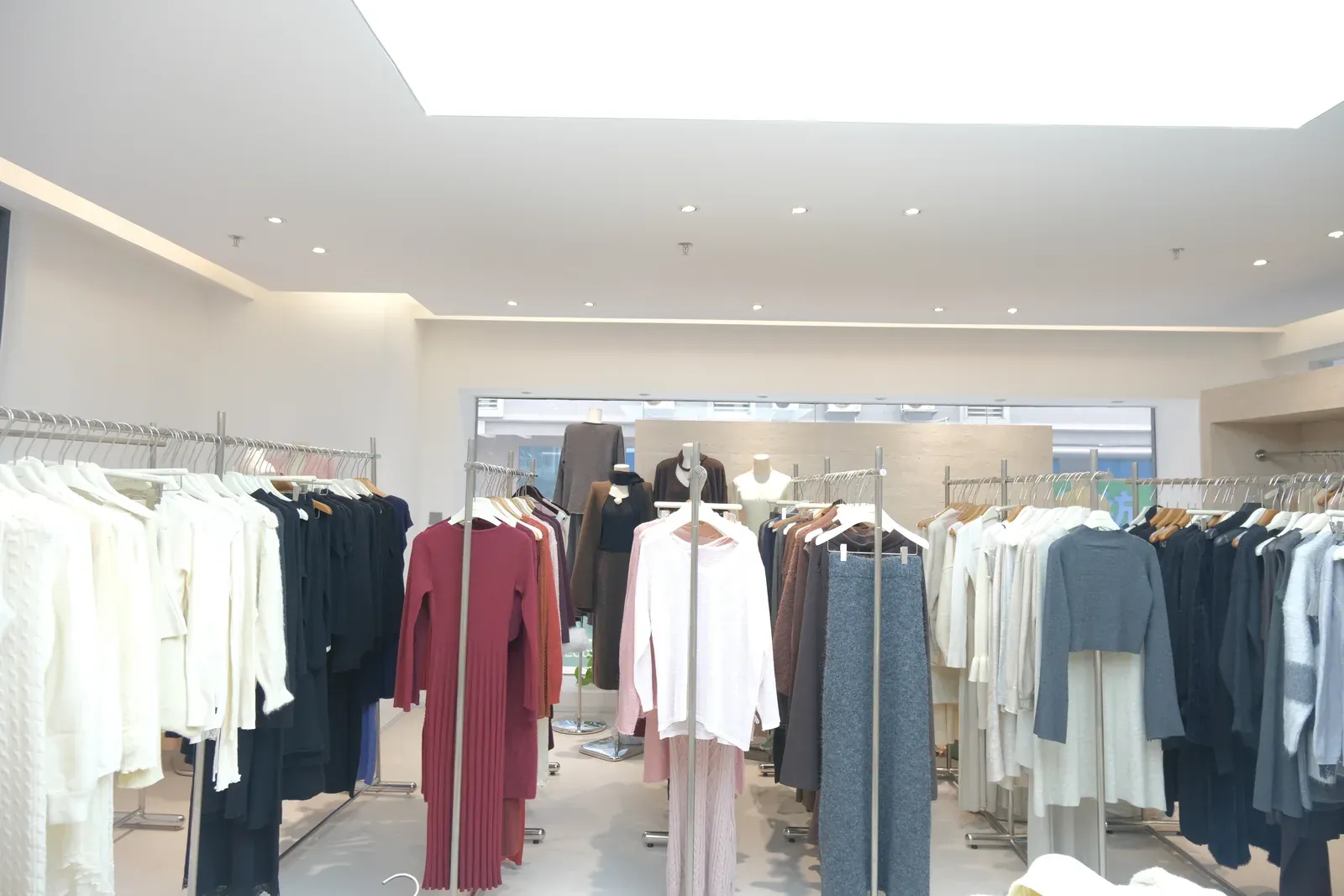
From yarn and colour selection to garment sampling. Explore real showroom pieces and development directions, then share your idea, silhouette or reference to take the next step together.
Share the styles, colours, sizes and quantities you need to discuss current availability.
Start with a reference garment or design brief, then discuss yarn, stitch and garment details.
LET’S MAKE SOMETHING